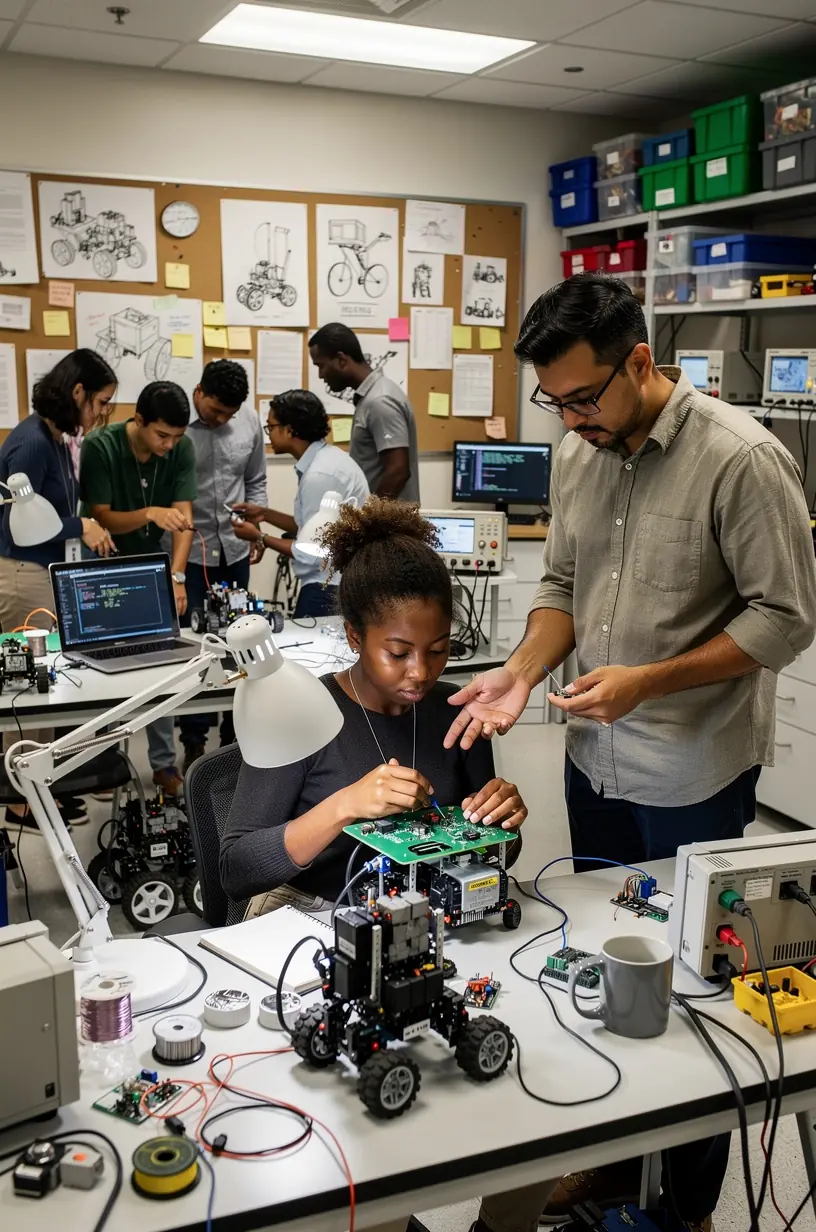
Understanding the Role of Cyber Physical Systems
Cyber-physical systems (CPS) are rapidly transforming industries by integrating computational elements with physical processes. This article explores the fundamentals of CPS, their applications, and the implications for various sectors.
Understanding the Basics
Cyber-physical systems are engineered systems that are built from a combination of physical and computational components. These systems often involve sensors and actuators that enable real-time monitoring and control of physical processes. According to research, CPS can enhance performance and efficiency in sectors such as manufacturing, healthcare, and transportation by providing critical data and analytics.

"Cyber-physical systems represent a new paradigm where the physical and digital worlds converge, leading to smarter and more efficient operations."
Key Components of Cyber Physical Systems
Typically, CPS consist of three main components:
- Sensors: Capture real-time data from the physical environment.
- Actuators: Execute commands based on the processed data, impacting the physical system.
- Control Algorithms: Analyze data from sensors to make decisions and optimize system performance.
Practical Applications of CPS
The potential applications of cyber-physical systems are vast and varied. Here are several notable implementations:
- Smart Manufacturing: CPS enable real-time monitoring of machinery, leading to predictive maintenance. Studies show that this can reduce downtime by up to 30%.
- Healthcare Monitoring: Wearable devices that monitor patient vitals in real time can improve patient outcomes. Research indicates that such systems can enhance the management of chronic diseases.
- Autonomous Vehicles: CPS are crucial for the safe operation of self-driving cars, utilizing sensor data to navigate complex environments. This technology is often subject to rigorous testing to ensure reliability and safety.
Challenges and Limitations
While the benefits of CPS are significant, there are also challenges to consider:
- Interoperability: Different systems and devices must communicate seamlessly, which can be a technological barrier.
- Data Security: With increased connectivity comes heightened risks of cyber threats. Experts recommend robust security measures to protect sensitive information.
- Implementation Costs: Initial investment for integrating CPS can be substantial, making it essential to evaluate long-term benefits versus upfront costs.
Conclusion
Cyber-physical systems are set to play a pivotal role in shaping the future of industries by merging the physical and digital realms. As CPS continue to evolve, understanding their functions and applications will be essential for businesses aiming to remain competitive. While challenges exist, the potential benefits—such as improved efficiency and real-time analytics—suggest that investing in these systems may prove advantageous in the long run. Moving forward, organizations must weigh the costs against the possible enhancements in productivity and operational effectiveness.
Learn More