How Virtual Reality is Transforming Education
Virtual reality (VR) has emerged as a powerful tool in the educational landscape, creating immersive experiences that enhance learning outcomes. This article explores how VR is being integrated into education and its potential benefits, backed by research and expert opinions.
Understanding the Basics of Virtual Reality in Education
Virtual reality refers to a simulated experience that can mimic or completely replace the real world. In educational settings, VR allows students to engage with content in a way that traditional methods cannot. According to studies, immersive learning experiences can improve retention rates significantly. For instance, a study published in the journal Computers & Education found that students using VR scored 20-30% higher on assessments compared to those who used traditional learning methods.
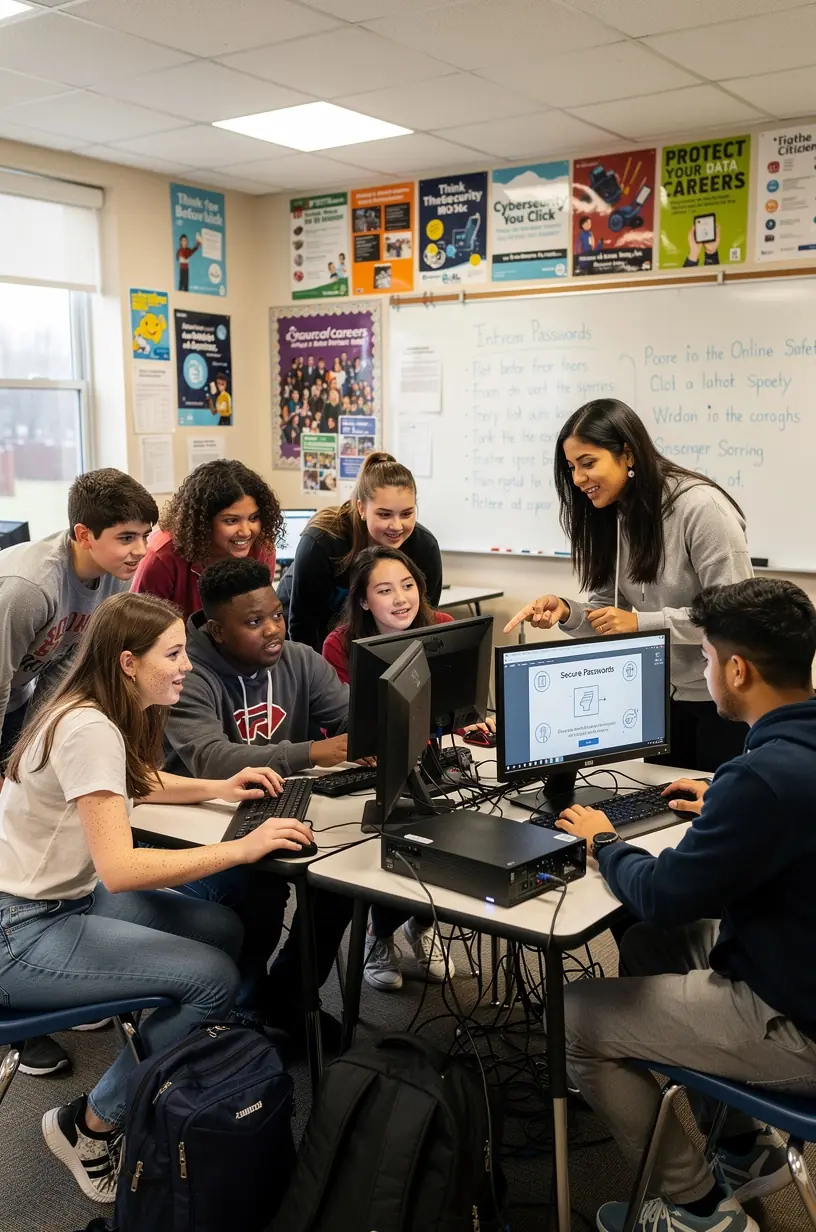
"Immersive environments created by VR can stimulate interest and enhance understanding of complex subjects." - Educational Technology Researcher
Practical Applications of Virtual Reality
Implementing VR in education can take various forms. Here are some common applications:
- Virtual Field Trips: Students can explore historical sites, natural wonders, or even outer space without leaving the classroom. Many educators find that these experiences ignite curiosity and deepen understanding.
- Simulations for Skill Development: In fields like medicine and engineering, VR allows students to practice skills in a controlled environment. Research indicates that such simulations can lead to higher confidence levels and better preparedness for real-world tasks.
- Interactive Learning Experiences: Subjects like science and history can be made more engaging through interactive VR lessons. This approach often accommodates different learning styles, making education more inclusive.
The Benefits of Using Virtual Reality in Education
There are several potential benefits associated with the integration of VR in educational settings:
- Enhanced Engagement: Students often report higher levels of engagement when learning through VR. This increased interest can lead to better focus and motivation.
- Improved Knowledge Retention: Experiential learning through VR can improve the retention of information. According to research, learners are more likely to remember content when they experience it firsthand.
- Accessibility: VR can help bridge gaps for students with disabilities by providing tailored experiences that meet their individual needs.
Acknowledging Limitations and Challenges
While the potential of VR in education is promising, there are limitations to consider:
- Implementation can be expensive, requiring suitable hardware and software. Budget constraints may limit accessibility for some institutions.
- Training educators to effectively use VR can involve a learning curve, requiring time and commitment to develop proficiency.
- Not every subject may benefit equally from a VR approach, and it’s crucial to assess when and how VR can enhance the learning experience effectively.
Conclusion
Virtual reality holds significant promise for transforming educational experiences, making learning more engaging and interactive. While challenges exist in implementing VR, the potential benefits—such as enhanced engagement and improved retention—suggest that it can be a valuable addition to modern education. As research continues to support its effectiveness, educators may find innovative ways to incorporate VR into their teaching methodologies.