
How Blockchain Can Revolutionize Supply Chain Management
As businesses increasingly seek ways to enhance operational efficiency and transparency, blockchain technology emerges as a promising solution. This article explores how blockchain can transform supply chain management, offering practical insights and realistic expectations for its implementation.
Understanding Blockchain Technology
Blockchain is a decentralized digital ledger that enables secure and transparent transactions across multiple parties. Each transaction is recorded in a block, which is then linked to the previous block, forming a chain. This structure provides an immutable record that can be accessed by all participants, fostering trust and accountability.
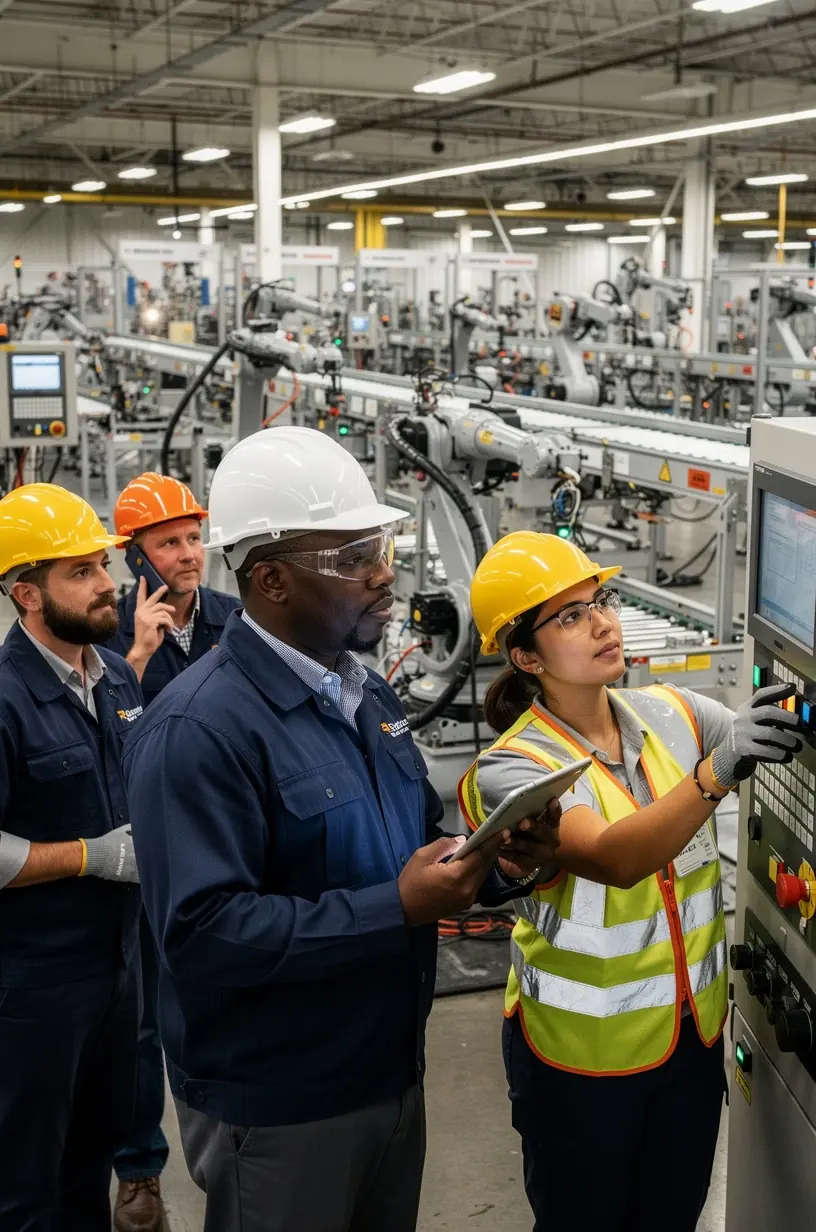
According to industry experts, blockchain can address several challenges commonly faced in supply chain management, including:
- Lack of transparency in transactions
- Increased risk of fraud
- Difficulties in tracing product origins
"Blockchain technology has the potential to streamline operations and increase trust across the supply chain," states a researcher from the Supply Chain Management Institute.
Real-World Applications of Blockchain in Supply Chains
Many organizations are beginning to adopt blockchain technology to improve their supply chain processes. Here are some practical applications:
- Enhanced Traceability: Blockchain allows companies to track products from origin to end-user. This capability is particularly valuable in industries like food and pharmaceuticals, where safety and compliance are paramount. Research indicates that implementing blockchain can reduce product recalls by enabling faster identification of affected items.
- Improved Efficiency: By automating documentation and contract execution through smart contracts, blockchain can significantly reduce administrative burdens. Studies show that companies have experienced up to a 30% reduction in operational costs by leveraging automated processes.
- Increased Trust: With an immutable record of transactions accessible to all stakeholders, blockchain fosters a higher level of trust among participants. This trust can lead to stronger partnerships and collaborations, as parties feel more secure in their dealings.
Challenges and Considerations
While the benefits of blockchain in supply chain management are promising, it is crucial to acknowledge the challenges associated with its implementation:
- Adoption may require significant investment in technology infrastructure, which can be a barrier for some organizations.
- Integration with existing systems often involves a steep learning curve, as stakeholders must adapt to new processes and technologies.
- Blockchain is not a universal solution; it may not be suitable for all supply chain scenarios, particularly in less complex networks.
Conclusion
Blockchain technology presents a transformative opportunity for supply chain management, fostering transparency, efficiency, and trust among participants. However, realistic expectations regarding the time and effort needed for implementation are crucial. Organizations looking to adopt blockchain should conduct thorough research and consider their specific circumstances before diving in.
As the landscape continues to evolve, staying informed about advancements in blockchain can help businesses leverage its potential benefits effectively. By doing so, companies can position themselves for success in an increasingly competitive marketplace.
Learn More